
Class 11 Business, Trade and Commerce
Business, Trade & Commerce – Concept Explanation Understanding the foundation of business activities is essential for every Commerce student. This chapter introduces the meaning of business, trade, commerce, industry, and the various activities that help goods and services reach consumers…

Future Tense & Verb Usage
Future Tense & Verb Usage Master future tense rules, avoid common grammar mistakes, and improve your English sentence construction with easy explanations, examples, and practice exercises. What is Future Tense? Future tense is used to describe actions that will happen…

Class 12 Physics Notes – Chapter 3: Current Electricity
Class 12 Physics – Chapter 3: Current Electricity Current Electricity deals with the flow of electric charges through conductors and the laws governing electric circuits. This chapter is extremely important for CBSE Boards and competitive exams like JEE and NEET….

Class 12 Physics: Electrostatic Potential and Capacitance
NCERT Physics Class 12 Chapter 2 Electrostatic Potential and Capacitance Complete Notes • Important Formulae • Board Exam Revision Chapter Overview This chapter explains how electric charges create electric potential, how energy is stored in electric fields, and how capacitors…
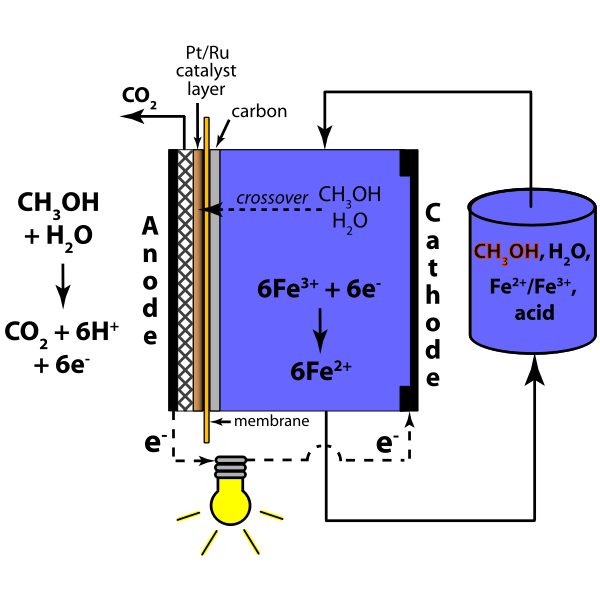
Class XII Chemistry: Electrochemistry
Electrochemistry is a vital branch of chemistry that examines the relationship between electrical energy and chemical change. For Class 12, the focus is on how chemical reactions can produce electricity and how electricity can drive non-spontaneous chemical reactions. 1. Electrochemical…

Class XI Redox Reaction (Higher-Order)
🔥 Higher-Order Redox Reaction Questions (Class 11) Multi-Concept 1. Oxidation Number & Agent Analysis A compound contains nitrogen in two different oxidation states within the same molecule. • Explain how this is possible using oxidation number rules. • Predict whether…

Class XII English: Lost Spring
Thought-Provoking Long Answer Questions: Lost Spring These questions are designed to challenge your understanding of the deep social, economic, and psychological layers in Anees Jung’s Lost Spring. Themes of Poverty and Stigma Childhood and Stolen Innocence Socio-Economic Injustice Symbolism and…

Class 12 Chemistry: Solutions – Advanced Challenge (ASSET Pro Max)
Class 12 Chemistry: Solutions – Advanced Challenge (ASSET Pro Max) Q1. A student observes that a mixture of Chloroform and Acetone becomes noticeably warm during the mixing process. Which of the following best explains the molecular behavior and the resulting…