Class XII Chemistry: Electrochemistry
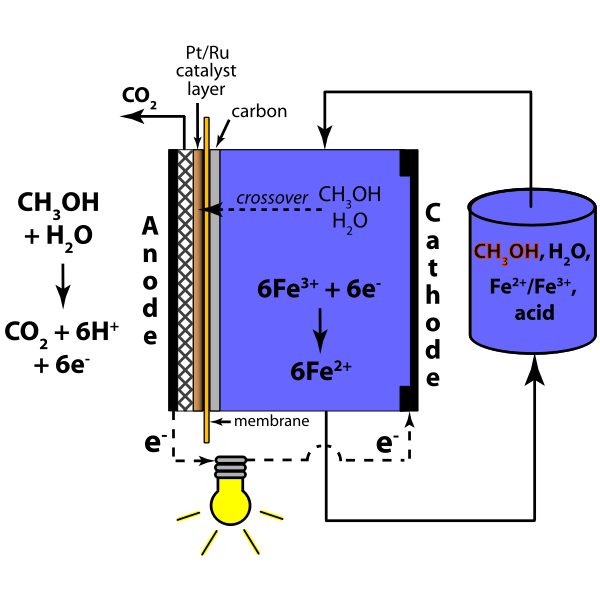
Electrochemistry is a vital branch of chemistry that examines the relationship between electrical energy and chemical change. For Class 12, the focus is on how chemical reactions can produce electricity and how electricity can drive non-spontaneous chemical reactions. 1. Electrochemical…

Class XI Redox Reaction (Higher-Order)
🔥 Higher-Order Redox Reaction Questions (Class 11) Multi-Concept 1. Oxidation Number & Agent Analysis A compound contains nitrogen in two different oxidation states within the same molecule. • Explain how this is possible using oxidation number rules. • Predict whether…

Class 12 Chemistry: Solutions – Advanced Challenge (ASSET Pro Max)
Class 12 Chemistry: Solutions – Advanced Challenge (ASSET Pro Max) Q1. A student observes that a mixture of Chloroform and Acetone becomes noticeably warm during the mixing process. Which of the following best explains the molecular behavior and the resulting…
Class XI Chemistry: Hydrocarbons
This chapter is the “Fuel of Civilization”—from the methane in your stove to the petrol in your car and the polymers in your clothes, it all starts here. The Backbone of Energy: Mastering Hydrocarbons Hydrocarbons are the simplest organic compounds,…
Class XI Chemistry: Organic Chemistry – Some Basic Principles and Techniques
This is the most important chapter for any medical or engineering aspirant—it is the “Alphabet” of the carbon world. If you master this, the rest of Organic Chemistry becomes a breeze. The Language of Carbon: Mastering Organic Chemistry Basics Organic…

Class XI Chemistry: Redox Reactions
This chapter is the foundation of electrochemistry—it explains how batteries work, why iron rusts, and how your body extracts energy from food through the “hot potato” game of electrons. The Electron Tug-of-War: Mastering Redox Reactions In chemistry, most reactions are…
Class XI Chemistry: Chemical Bonding and Molecular Structure
This is the “Architectural Chapter” of chemistry—it explains why a diamond is the hardest material on Earth while graphite (made of the same atoms) is soft enough to write with. The Geometry of Existence: Mastering Chemical Bonding Why does water…
Class XI Chemistry: Classification of Elements
This chapter is the “Map of the Universe”—once you understand the coordinates, you can predict the behavior of an element without ever seeing it in a lab. The Cosmic Cheat Sheet: Mastering the Periodic Table If Chemistry were a game,…
Class XI Chemistry: Structure of Atom
This chapter is where Chemistry meets Quantum Physics—moving from “little balls of matter” to “waves of probability.” The Quantum Leap: Mastering the Structure of the Atom For centuries, we thought the atom was a solid, unbreakable sphere. Then we found…
Class XI Chemistry: Some Basic Concepts of Chemistry
This chapter is the “Grammar of Chemistry”—if you don’t master the mole, the rest of the subject will feel like a foreign language. The Molecular Scale: Mastering Basic Concepts of Chemistry Every massive chemical explosion, every life-saving drug, and even…

Class XI Chemistry Equilibrium (Advanced)
🧪 Chemical Equilibrium Explorer Fascinating Real-World Chemistry Applications Questions Using Le Chatelier’s Principle 1 Carbonated water bottles are kept refrigerated before sale. If such a bottle is accidentally shaken and immediately opened, it releases excessive fizz. Using Le Chatelier’s Principle…